❝ Rare conditions raise difficult questions. Finding reliable information, appropriate care, and others who truly understand what you are going through should not be another challenge. ❞
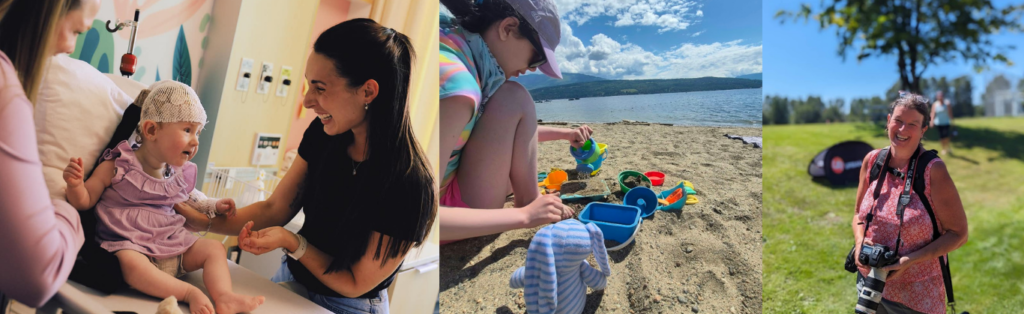
The International Neuronal Heterotopia Foundation brings together individuals and families, healthcare professionals, researchers, and organizations working to improve understanding of neuronal heterotopia disorders. Building on more than 15 years of community support and advocacy achieved with PVNH Support & Awareness, we continue to focus on education, practical support, research, and international collaboration, by putting people first.
Why we exist
Neuronal heterotopia disorders affect people in very different ways. Some individuals have few noticeable symptoms; others experience epilepsy, developmental challenges or medical conditions involving several body systems.
Families can spend years seeking answers. Clinicians may see few cases during their careers. Researchers working on related questions may not have easy ways to connect with affected communities.
The Foundation works across those gaps.
Our work
- Education & Support — Clear information, practical resources and connections for individuals and families.
- Research & Grants — Research priorities informed by scientific evidence and lived experience, including collaborative studies and future funding opportunities.
- Collaborations — Bringing together researchers, clinicians, organizations and community members.
- Awareness — Helping more people recognize these conditions and understand their impact.
- Events & Conference — Opportunities to learn, ask questions and exchange knowledge.
From PVNH Support & Awareness to International Neuronal Heterotopia Foundation
Our work began in 2009 with PVNH Support & Awareness, founded by Yolaine Dupont in memory of her daughter, Ella. What began as an effort to find answers and connect with other families grew into an international community.
The Foundation was established in 2026 to build on that experience and expand the work across neuronal heterotopia disorders that we have been representing, with a more inclusive name. PVNH Support & Awareness remains a program of the Foundation.
What your support makes possible
Contributions support the hosting of our registry, the development of educational resources for families and beyond, awareness activities, professional exchange and the groundwork needed for collaborative research. As resources allow, we aim to expand direct research support.